If you have oily skin, you already know the struggle. You wash your face, feel fresh for maybe an hour, and then somehow your forehead, nose, and cheeks start shining like you applied highlighter everywhere. Your makeup may separate by lunchtime, your pores may look larger than you want, and you may feel like you are constantly blotting, powdering, or trying new products that promise to “control oil.”
Why Does Oily Skin Happen in the First Place?
But here is the truth: oily skin is not bad skin. Oily skin is not dirty skin. And it definitely does not mean you need to punish your face with harsh cleansers, scrubs, or drying products. Oily skin simply means your sebaceous glands produce more sebum, which is the natural oil that helps protect your skin from drying out. Sebum itself is not the enemy. The problem usually happens when excess oil mixes with sweat, makeup, sunscreen, bacteria, and dead skin cells, which can contribute to clogged pores and breakouts. Cleveland Clinic explains that sebum helps protect the skin, but clogged pores can happen when oil, bacteria, and dead skin cells build up.
The goal is not to completely dry out your skin. The goal is to balance it.
So before you buy another “oil-control” product or start washing your face five times a day, let’s talk about the habits that may be making your oily skin worse. Based on the structure we planned for this post, these are the oily skin mistakes your audience is most likely searching for and asking about.
Popular Skincare Products That Can Help With Oily Skin
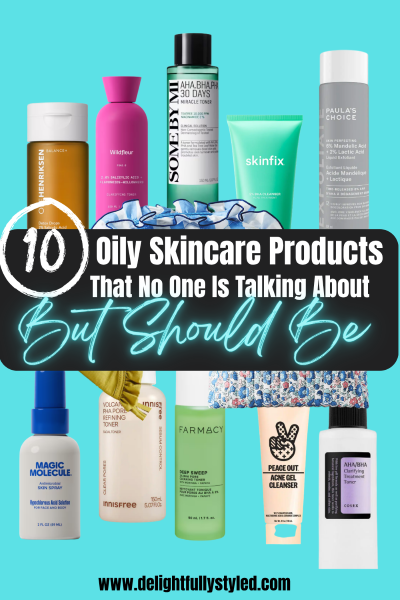
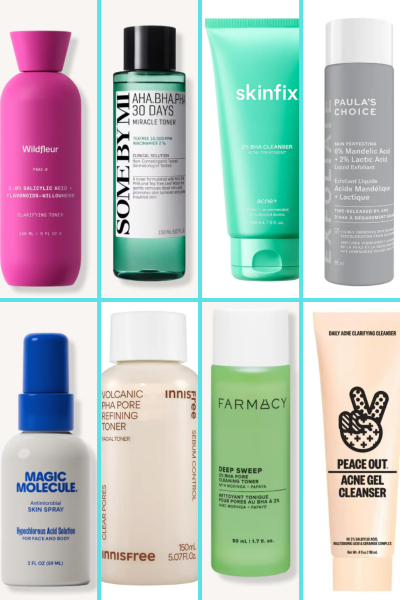
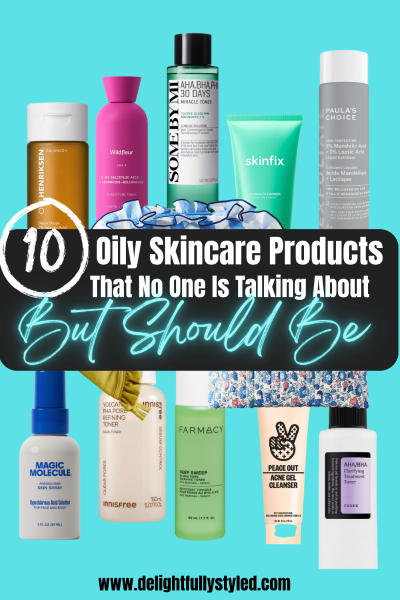
Skinfix Acne+ 2% BHA + Azelaic Acid + Niacinamide + AHA Cleanser/
Peace Out 2% Salicylic Acid Acne Gel Cleanser/
innisfree Volcanic PHA Pore Refining Toner/
Farmacy Deep Sweep 2% BHA Pore Cleaning Toner/
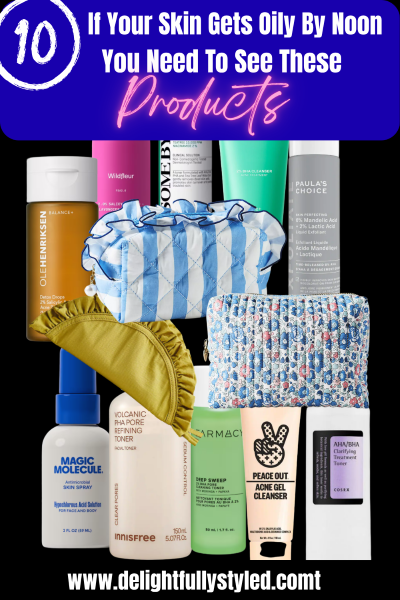
OLEHENRIKSEN Detox Drops 2% Salicylic Acid Acne Toner/
Wildfleur Salicylic Acid 2.0% + Willowherb Clarifying Toner/Magic Molecule Hypochlorous Acid Spray/
Paula’s Choice 6% Mandelic Acid + 2% Lactic Acid AHA Liquid Exfoliant/
Topicals Clearly Clarifying & Calming Mist/ innisfree Super Volcanic Pore Detoxing Clay Mask
COSRX AHA/BHA Clarifying Treatment Toner
SOME BY MI AHA BHA PHA 30 Days Miracle Toner
How to Use Oily Skin Products Without Overdoing It
Now that we have talked about some products worth looking into, let’s talk about how to actually use them. Because this is where a lot of people with oily skin mess up. They buy the right product, but they use it the wrong way, too often, or they stack too many strong ingredients at one time.
Oily skin does not need punishment. It needs balance.
The goal is not to strip every drop of oil from your face. The goal is to help your skin stay clear, fresh, and comfortable without making it feel tight, irritated, or overly dry. When your skin gets too stripped, it can sometimes feel like it is fighting back. You may notice more shine, more texture, more clogged pores, or that uncomfortable feeling where your skin is oily and dry at the same time.
That is why the routine matters just as much as the product.
Start With One New Product at a Time
I know it is tempting to buy a toner, cleanser, exfoliant, mask, and mist all at once and start a brand-new routine overnight. But oily skin can be sensitive too, especially when you are using ingredients like salicylic acid, mandelic acid, lactic acid, azelaic acid, sulfur, or clay.
The best thing you can do is introduce one new product at a time.
Use it for at least a week or two before adding something else. This helps you figure out what your skin actually likes. If you start five new products and then your skin gets irritated, you will have no idea which product caused the problem.
A simple rule is this: if the product exfoliates, treats acne, clears pores, or controls oil, go slow.
Your skin does not need every active ingredient every single night. Sometimes the glow-up comes from being consistent, not aggressive.
Don’t Use Every Oily Skin Product Every Day
This is one of the biggest mistakes people make. Just because a product is made for oily skin does not mean it needs to be used daily.
A salicylic acid toner may only need to be used a few times a week. A clay mask may only need to be used once or twice a week. A strong acne cleanser may not need to be used morning and night.
If your skin starts to feel tight, itchy, rough, flaky, hot, or extra sensitive, that may be a sign you are doing too much.
Think of your oily skin routine like a schedule, not a pile-on situation. You do not need cleanser, toner, exfoliant, mask, serum, and treatment all in the same routine every night.
A better approach may look like this:
Morning: gentle cleanser, lightweight moisturizer, sunscreen
Night: cleanser, treatment toner or exfoliant a few nights a week, moisturizer
Weekly: clay mask or sulfur mask only when needed
That kind of routine is easier to stick with and less likely to overwhelm your skin.
The Toner Mistake Oily Skin People Make
A lot of people still think toner has to burn, sting, or make the skin feel squeaky clean. That old-school toner feeling may seem satisfying in the moment, but it is not always helping your skin.
For oily skin, a toner should either help hydrate, calm, lightly exfoliate, or support clearer-looking pores. It should not feel like rubbing alcohol on your face.
If your toner makes your skin feel painfully tight, red, or irritated, it may be too harsh. And when oily skin gets irritated, it can start looking even worse. The texture may stand out more, makeup may sit weird, and your face may look shiny but still feel dry underneath.
That is why ingredients like PHA, mandelic acid, salicylic acid, willowherb, niacinamide, and hypochlorous acid can be interesting options. They give you a more targeted approach instead of just drying your face out.
The real flex is not having the strongest toner. It is having a toner your skin can tolerate consistently.
Why Clay Masks Can Help Oily Skin
Clay masks are one of those products that can be helpful when used correctly. They can help absorb excess oil and leave the skin looking cleaner and less shiny. But they can also be overused very quickly.
If you are using a clay mask and letting it dry until your face can barely move, that may be too much. Your skin should not feel like it is cracking when you smile.
A clay mask is best used as a weekly reset, not an everyday treatment. You can also use it only where you need it. For example, if your T-zone gets oily but your cheeks are normal or dry, only apply the mask to your forehead, nose, and chin.
That is a smarter way to treat oily skin. You do not have to treat your whole face like it has the exact same needs.
Why Your Skin Still Needs Moisturizer
Skipping moisturizer is one of the most common oily skin mistakes. I understand why people do it. When your face already gets shiny, the last thing you want is to add another layer.
But oily skin still needs hydration.
Oil and hydration are not the same thing. Your skin can be oily and dehydrated at the same time. When that happens, your face may look greasy but still feel tight, dull, or uncomfortable.
A lightweight gel moisturizer or water-based moisturizer can help keep your skin balanced without feeling heavy. You do not have to use a thick cream if that does not work for you. But skipping moisturizer completely can make your routine feel incomplete, especially if you are using exfoliating toners, acne cleansers, or clay masks.
The key is choosing a moisturizer that feels light, absorbs well, and does not leave your face feeling coated.
Don’t Forget Sunscreen, Even With Oily Skin
Sunscreen can be tricky for oily skin because some formulas feel greasy, heavy, or shiny. But skipping sunscreen is not the answer, especially if you are using exfoliating acids or acne-focused products.
Many ingredients used for oily and acne-prone skin can make your skin more sensitive to the sun. If you are using products with AHA, BHA, mandelic acid, lactic acid, or acne treatments, sunscreen becomes even more important.
Look for lightweight sunscreens, gel sunscreens, fluid sunscreens, or formulas made for oily and combination skin. The right sunscreen should not make you feel like you dipped your face in cooking oil.
And no, sunscreen is not just for beach days. If you are serious about improving the look of your skin, sunscreen has to be part of the routine.
Watch How Your Skin Acts Around Noon
One of the easiest ways to understand your oily skin is to pay attention to what happens by midday.
If your skin gets shiny by noon, ask yourself a few questions:
Did I use a cleanser that was too harsh this morning?
Did I skip moisturizer?
Did I use a heavy sunscreen?
Did I layer too many products?
Did I use a product that made my skin feel tight earlier?
Sometimes the oil you see later in the day is connected to what you did earlier in the morning.
This is why I like routines that are simple and strategic. You want your morning routine to help your skin make it through the day, not trigger more problems by lunchtime.
Ingredients That Make Sense for Oily Skin
When shopping for oily skin products, these are some ingredients worth noticing:
Salicylic acid can help with clogged pores and oily, breakout-prone skin.
Niacinamide can help support a more balanced-looking complexion and is often included in products for oily skin.
Azelaic acid is a great ingredient to look for if your skin deals with texture, bumps, uneven tone, or breakouts.
Mandelic acid can be a gentler exfoliating acid for some skin types.
PHA is another exfoliating option that may feel less intense than stronger acids.
Clay can help absorb excess oil when used in moderation.
Sulfur is underrated for oily and blemish-prone skin.
Hypochlorous acid is great for a simple skin refresh, especially after sweating or being out and about.
The trick is not to use all of these at once. Pick what makes sense for your skin and build from there.
A Simple Oily Skin Routine That Makes Sense
Here is a simple routine idea for someone with oily skin who wants to use these types of products without doing too much.
Morning Routine
Start with a gentle cleanser or a light acne-friendly cleanser if your skin can handle it. Follow with a lightweight moisturizer and sunscreen. If your face gets oily fast, keep the morning routine simple. Too many layers can make your skin feel heavy before the day even starts.
Night Routine
At night, cleanse your face to remove sunscreen, sweat, oil, and buildup. Then use your toner or exfoliating product a few nights a week, not necessarily every night. Follow with moisturizer.
If your skin is sensitive, start with the exfoliating toner only two or three nights per week.
Weekly Treatment
Use a clay mask, sulfur mask, or pore-focused treatment once a week or only when your skin needs it. Do not use a strong toner, acne cleanser, and drying mask all on the same night if your skin is already irritated.
Your routine should leave your skin feeling fresh, not attacked.
Signs You May Be Doing Too Much
Oily skin can fool you because it may still produce oil even when it is irritated. That is why it is important to look for other signs too.
You may be overdoing your routine if your skin:
Feels tight after washing
Burns when applying products
Looks shiny but feels dry
Starts peeling or flaking
Gets red or irritated easily
Breaks out more after adding several new products
Feels rough or bumpy all of a sudden
If this happens, scale back. Go back to a gentle cleanser, moisturizer, and sunscreen for a few days. Then slowly reintroduce your treatment products.
Sometimes the answer is not a stronger product. Sometimes the answer is giving your skin a break.
Final Thoughts on Oily Skin Products
Oily skin does not have to be a constant battle. The goal is not to dry your face out until it feels tight. The goal is to create a routine that helps your skin look fresh, clear, and balanced.
The right cleanser, toner, mist, exfoliant, or mask can definitely help. But how you use the product matters just as much as what you buy.
Start slow. Pay attention to your skin. Do not use every active ingredient at the same time. And please do not skip moisturizer just because your skin gets oily.
Once you learn how to work with your skin instead of fighting against it, oily skin becomes a lot easier to manage.
And honestly, oily skin has its perks too. It can have a natural glow, and with the right routine, that glow can look healthy instead of greasy.
Leave a Reply